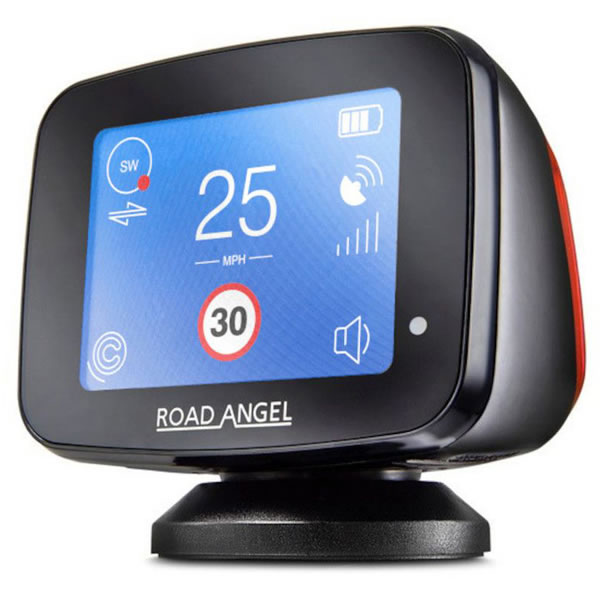
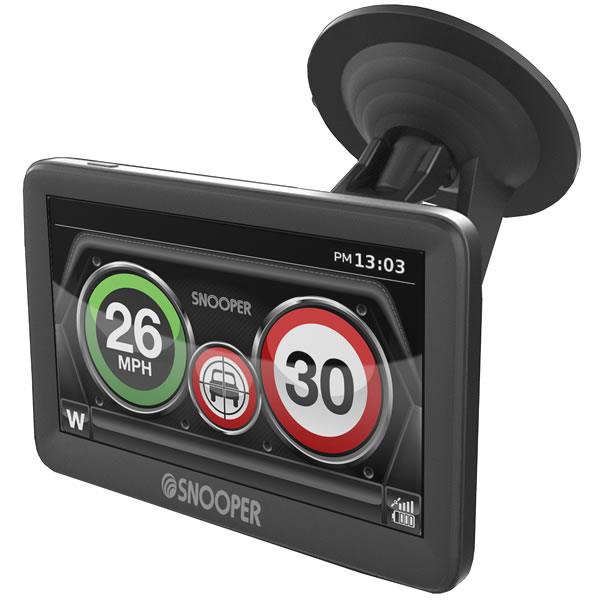
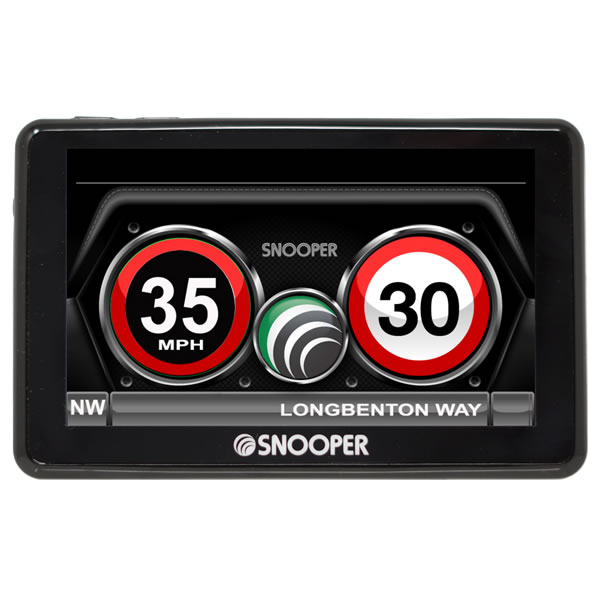
A GPS speed camera detector is a single-purpose device that mounts on your windscreen and warns you of speed camera locations ahead. It works from a database of known fixed and mobile camera sites across the UK and, in most current models, Western Europe. As you approach a location in the database, the screen displays the camera type, the speed limit and your current speed. An audible alert counts down the distance as you close in.
The key advantage of GPS detection over radar and laser detection is coverage. A radar detector can only warn you of cameras that actively emit a radar signal - principally older Gatso cameras. A laser detector works only against cameras using laser speed measurement. Neither technology can detect SPECS or VECTOR average speed camera zones, Truvelo or Truvelo D-Cam fixed cameras, SpeedCurb, HADECS 3, Watchman, Peek cameras, or red light and bus lane cameras. These account for the majority of fixed enforcement on UK roads today. GPS detection covers all of them, because it works from a database of known locations rather than by listening for signals.
GPS speed camera detectors are fully legal in the UK and throughout most of Europe. Radar and laser detectors are banned in France, Germany, the Netherlands, Switzerland and many other European countries - for drivers who cross to the Continent, a GPS device is the only legally safe choice. For a full comparison of all device types, see our speed camera warning device guide.
Recommended GPS speed camera detectors
The three devices below represent the current GPS speed camera detector range available from ActiveGPS.co.uk. All three are GPS-only - they use a database of known camera locations and do not attempt to detect radar or laser signals. All are 100% legal throughout the UK.
Road Angel Pure One
£249.99
Real-time live updates via built-in SIM - no PC needed
Fixed, mobile and average speed camera alerts
Smart motorway alerts (Advance/Complete plans)
On-screen digital speedometer and countdown distance
The table below compares the key features of each current GPS speed camera detector. The main differences between devices are how the database is updated and whether a dash cam is included.
Live vs database updates: The Road Angel Pure One uses a built-in SIM card to receive real-time speed camera updates as they are reported. This gives the most current picture of mobile enforcement hotspots but requires a paid subscription. The Snooper MY-SPEED PLUS and DVR PLUS use the AURA database, updated every six months via a PC or Mac - no ongoing cost, but the data is periodically rather than continuously refreshed.
Dash cam combined: The Snooper MY-SPEED DVR PLUS is the only device here that combines a GPS speed camera detector with a 1080p HD dash cam in a single unit, eliminating the need for two separate windscreen-mounted devices.
Camera type coverage comparison
All three GPS detectors use the same database-based approach, so their coverage of fixed camera types is equivalent. The table below shows which speed camera types each device will alert you to.
GPS detectors do not detect mobile laser or radar speed guns. These devices are handheld or vehicle-mounted and emit a signal only at the moment they measure a vehicle - too briefly for any detection system to provide useful advance warning. For mobile camera locations (known hotspots where vans are regularly deployed), GPS devices with a live or recently updated database do provide alerts based on recorded deployment sites. Read more about how radar and laser detectors work.
Frequently asked questions
What is a GPS speed camera detector?
A GPS speed camera detector is a windscreen-mounted device that warns you of speed camera locations using a database of known sites. As you approach a camera in the database, it alerts you with an audible warning and an on-screen display showing the camera type, posted speed limit and your current speed. It works without detecting any signal from the camera itself - it simply knows where cameras are recorded in its database.
Are GPS speed camera detectors legal in the UK?
Yes. GPS-based speed camera detectors are fully legal in the UK. They work by alerting drivers to the locations of cameras held in a database - they do not detect, interfere with or jam any camera equipment. The legal position was confirmed by the Department for Transport during the Road Safety Bill discussions in 2004. GPS warning devices were explicitly excluded from any restrictions, as they complement the government's policy of keeping camera sites visible and conspicuous. Speed camera jammers - which actively interfere with camera operation - are illegal throughout the UK. Read the full speed camera detector legality guide.
What is the difference between live updates and database updates?
A device with live updates - such as the Road Angel Pure One - uses a built-in SIM card to receive speed camera data in real time as locations are reported. New mobile enforcement hotspots appear on the device within minutes. A device with database updates - such as the Snooper MY-SPEED PLUS and DVR PLUS - downloads a refreshed database periodically, typically every six months, via a PC or Mac connection. Live updates provide the most current information but require a paid subscription. Database updates are free with the Snooper range but the data is updated less frequently. For most fixed cameras, both approaches give equivalent coverage - fixed sites change rarely.
Do GPS detectors warn you about mobile speed cameras?
GPS detectors alert you to recorded mobile camera hotspot locations - sites where mobile enforcement vans are regularly deployed. They do not detect the actual presence of a speed camera van in real time. A device with live updates (Road Angel Pure One) will reflect recently reported mobile deployments more quickly than a device updated every six months. Neither type detects the laser or radar signal from a handheld speed gun - those signals are emitted only at the moment of measurement and too briefly for any detection system to give a useful advance warning.
For a comparison of all five types of speed camera warning device - including sat navs, dash cams, smartphone apps and radar detectors - see the full buying guide below. If you want to understand how radar and laser detection works and why it covers fewer camera types than GPS, the radar and laser guide has the detail.

 A GPS speed camera detector is a single-purpose device that mounts on your windscreen and warns you of speed camera locations ahead. It works from a database of known fixed and mobile camera sites across the UK and, in most current models, Western Europe. As you approach a location in the database, the screen displays the camera type, the speed limit and your current speed. An audible alert counts down the distance as you close in.