Answers to the most common questions UK motorists ask about SpeedCurb speed cameras - covering how the piezo road sensors work, which direction the camera targets, how lanes are identified on dual carriageways, prosecution thresholds, and what to do if you receive a Notice of Intended Prosecution.
SpeedCamerasUK.com does not operate any UK speed cameras and has no connection to UK Government, the Police, or any Safety Camera Partnership. We are unable to advise on individual speeding cases or the progress of a speeding offence. If you have a question not answered below, please use our contact form.
How SpeedCurb cameras work
How does a SpeedCurb camera measure speed?
SpeedCurb cameras use piezo sensor strips embedded in the road surface. When a vehicle passes over these strips above the speed threshold, the camera is triggered. White road markings provide a secondary confirmatory check, allowing the vehicle's speed to be independently calculated from the two photographs taken. Both the sensor reading and the road marking evidence are used to confirm the offence.
Do you have to cross the white lines for the camera to catch you?
The camera is triggered by the embedded piezo sensors in the road surface, not by the white lines. The white markings are used as a secondary measure to confirm speed from the photographs. It is possible to trigger the camera before reaching the painted lines if your vehicle passes over the sensors above the speed threshold.
Is the SpeedCurb a forward-facing or rear-facing camera?
SpeedCurb cameras are rear-facing. They photograph the rear of a passing vehicle including the rear number plate. This is confirmed by South Yorkshire Safety Cameras and is the standard configuration, though some installations differ. If you have received a NIP and are unsure which direction the camera at a specific location faces, contact the issuing Police force.
Does a SpeedCurb camera flash visibly?
SpeedCurb cameras do not emit a visible flash in the way that a Gatso does. The camera uses infra-red technology, which is not visible to the human eye, allowing it to operate effectively in daylight, at night, and in low-light conditions.
Can a SpeedCurb camera also enforce red light offences?
Yes. SpeedCurb cameras are used at signalised junctions and can enforce both speed limits and red light offences. The same camera and sensor system can detect vehicles passing through a red light as well as vehicles exceeding the speed limit.
Is a SpeedCurb camera active 24 hours a day?
SpeedCurb cameras use infra-red technology and can operate around the clock in any light conditions. Whether a specific camera is active at all times depends on the operating policy of the relevant Police force or Safety Camera Partnership.
Direction and lane coverage
Can a SpeedCurb camera cover both sides of the road at the same time?
No. A single SpeedCurb camera covers one direction of travel at a time. Some installations use twin or double-headed cameras on the same pole, which can cover both directions simultaneously. Cameras sited on a central reservation may be periodically turned to enforce traffic in either direction, but can only target one direction at any one time.
The SpeedCurb camera was on the opposite side of the road facing me - can it catch me?
A SpeedCurb camera on the opposite carriageway facing towards you is targeting vehicles travelling away from it on that side of the road. As a rear-facing camera it photographs the back of vehicles driving away from its lens - not vehicles approaching from the opposite carriageway. If you were driving towards it, it would not have recorded your rear number plate.
On a dual carriageway, can the camera identify which lane I was in?
Yes. The white road markings on the surface are positioned per lane and the photographs show the vehicle's position relative to those markings. This provides evidence of which lane the vehicle was in at the time of the offence, and is used to confirm that the correct vehicle was captured rather than an adjacent vehicle in another lane.
Thresholds and NIPs
What speed threshold will trigger a SpeedCurb NIP?
The prosecution threshold varies between Police forces. ACPO guidelines suggest speed limit plus 10% plus 2mph, but some forces prosecute at a lower margin. The specific threshold for any individual SpeedCurb camera is only known by the camera operator and the relevant Police authority. Do not assume any margin above the posted limit is safe.
How long do I have before I receive a Notice of Intended Prosecution?
A Notice of Intended Prosecution must be sent to the registered keeper of the vehicle within 14 days of the alleged offence. If you do not receive one within that period, the prosecution may not be able to proceed, though exceptions exist. Our NIP guide covers the process in full.
Got a SpeedCurb question not answered above? Use our contact form to send it to us. Please note we cannot provide legal advice or comment on individual speeding cases.
Disclaimer: Answers published on SpeedCamerasUK.com represent the views of the site and its contributors. SpeedCamerasUK.com is not connected to any UK Police force, local authority, or Safety Camera Partnership.


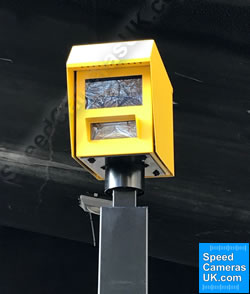 Answers to the most common questions UK motorists ask about SpeedCurb speed cameras - covering how the piezo road sensors work, which direction the camera targets, how lanes are identified on dual carriageways, prosecution thresholds, and what to do if you receive a Notice of Intended Prosecution.
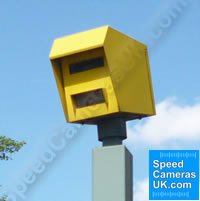 SpeedCurb cameras use piezo sensor strips embedded in the road surface. When a vehicle passes over these strips above the speed threshold, the camera is triggered. White road markings provide a secondary confirmatory check, allowing the vehicle's speed to be independently calculated from the two photographs taken. Both the sensor reading and the road marking evidence are used to confirm the offence.