 Average speed cameras calculate a vehicle's speed over a measured distance, rather than at a single point. The camera records a precise timestamp as the vehicle passes each camera location; by dividing the distance between two paired cameras by the time taken to travel between them, the system determines the average speed. Three average speed camera systems are currently deployed on UK roads: SPECS, VECTOR, and SpeedSpike.
Average speed cameras are increasingly common across the UK, having expanded well beyond their original use in motorway roadworks. They are now used on A-roads, urban roads, and residential streets, and can enforce any posted speed limit including 20mph zones. Unlike fixed point cameras such as the Gatso, they operate silently with no visible flash and photograph every passing vehicle regardless of speed.
Select a camera system to learn how it works and view locations across the UK. Further average speed camera systems may be added to this page as they are deployed on UK roads.
How average speed cameras work
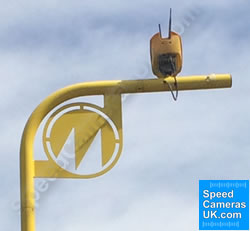
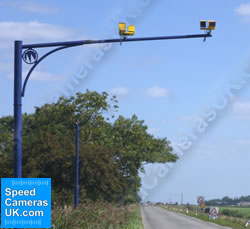
Every average speed camera zone consists of at least two camera positions at a measured distance apart. As a vehicle passes the first camera, the system records the vehicle's number plate via ANPR (automatic number plate recognition) together with a precise timestamp. As the vehicle passes the second camera, the plate is read again and a second timestamp recorded. The system then divides the known distance between the two camera positions by the time taken to travel it, to determine the average speed.
If that calculated average speed exceeds the enforced limit, the system automatically generates a Notice of Intended Prosecution (NIP) which is sent to the registered keeper of the vehicle. All three systems - SPECS, VECTOR and SpeedSpike - use infra-red illumination to capture number plates in all light conditions, 24 hours a day. Unlike conventional speed cameras, there is no visible flash.
Because the system measures average speed over a distance, slowing down as you pass a camera and accelerating between cameras does not help - it is your average across the entire zone that is assessed. For detailed questions and answers about how enforcement works, visit our average speed camera questions and answers page.
Where average speed cameras are used
Average speed cameras were first deployed on urban roads in Nottingham in 2000, where early SPECS zones were introduced on routes with high rates of killed or seriously injured (KSI) casualties. Their use spread rapidly to motorway roadworks, where they replaced temporary fixed cameras as the standard enforcement method during contraflow and reduced-speed sections.
Today, average speed camera zones are found across the full road network. The A9 in Scotland is covered by one of the longest average speed camera zones in the UK, running for over 99 miles between Dunblane and Inverness. In Nottinghamshire, average speed cameras are used on 30mph residential and urban roads. New zones continue to be added as local authorities and National Highways seek to extend enforcement coverage on roads with persistent speeding problems.
Average speed cameras and motorcycles
SPECS cameras are forward-facing and photograph the front of the vehicle. As motorcycles do not carry a front number plate in the UK, SPECS cameras cannot read a motorcycle's registration and cannot generate a NIP against a motorcycle rider. This limitation is well known and has been acknowledged by enforcement authorities.
VECTOR cameras are typically rear-facing and photograph the rear of vehicles, meaning they can read a motorcycle's rear number plate. Motorcycle riders passing through a VECTOR zone are therefore subject to enforcement in the same way as car drivers.
SpeedSpike cameras use ANPR combined with infra-red and are primarily deployed facing the rear of traffic on urban and residential roads. They are capable of reading rear number plates and can enforce against motorcycles. For full details on SpeedSpike camera positioning and deployment, see the SpeedSpike camera page.
Frequently asked questions
What is an average speed camera?
An average speed camera calculates a vehicle's speed over a measured distance between two or more camera locations, rather than at a single point. By recording the time a vehicle passes each camera and dividing the distance by the time taken, the system determines the average speed. If that average exceeds the enforced limit, a Notice of Intended Prosecution can be issued.
Do average speed cameras flash?
No. Average speed cameras use infra-red technology and operate silently with no visible flash, 24 hours a day in all light conditions.
What types of average speed camera are used in the UK?
Three average speed camera systems are currently deployed on UK roads: SPECS, VECTOR, and SpeedSpike. SPECS cameras are forward-facing and photograph the driver's face and front number plate. VECTOR cameras are typically rear-facing. SpeedSpike combines ANPR with infra-red and is used primarily on urban and residential roads.