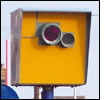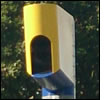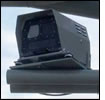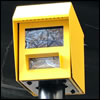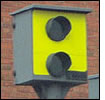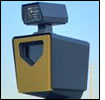

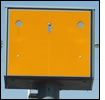
 Fixed point speed cameras measure a vehicle's speed at a single location, unlike average speed cameras which calculate speed over a distance between two or more camera positions. When a vehicle passes a fixed point camera above the enforced speed threshold, the camera captures one or two photographs of the vehicle and its number plate, which are used as evidence for a Notice of Intended Prosecution.
Fixed point cameras are the most common type of speed camera on UK roads. The majority are rear-facing, meaning they photograph the back of a passing vehicle including the rear number plate. Some types such as Truvelo and SpeedCurb are forward-facing and can photograph the driver. Most fixed point cameras are permanently installed in a roadside housing, though some such as HADECS 3 are mounted on motorway overhead gantries.
Select a camera type below to learn how it works and view locations across the UK.